
Do Cat Fountains Get Moldy?
Navigation
- Introduction
- The Dangers of Mold
- How Mold Forms in Fountains
- Preventing Mold in Fountains
- Removing Established Mold
- The Bottom Line
Introduction
Cat fountains provide pets with a constant flow of clean, circulating water - but the moist environment inside them can also breed mold growth. For cat owners considering a fountain, concerns about possible mold problems may arise. Mold spores landing in the fountain water or on damp surfaces can start to multiply, creating fuzzy patches of black or white mold.
Left unchecked, this mold can spread to contaminate the fountain, releasing more spores into the air. Not only is mold in a cat fountain unsightly and difficult to remove, it can also pose health risks to pets that drink or inhale the spores. Fortunately, with proper maintenance and cleaning habits, cat fountain owners can stay vigilant about monitoring for any mold and taking quick action to remove it. By understanding what causes mold in fountains and how to prevent it, cat owners can allow their pets to enjoy fountains safely.

The Dangers of Mold
Mold is a type of fungal growth that can accumulate in moist environments. If mold starts growing in your cat's fountain, it can potentially cause health issues if your cat drinks the contaminated water. Mold spores can also get released into the air, which could lead to respiratory problems in both humans and pets if inhaled.
How Mold Forms in Fountains
The moist, nutrient-rich environment of a pet fountain provides ideal conditions for mold growth. Mold spores floating in the air can land and start colonizing on fountain parts and surfaces that stay damp. Over time, you may notice white or black fuzziness forming.
Preventing Mold in Fountains
To limit mold growth in your cat's fountain, the key steps are:
- Change water frequently - Don't allow water to stagnate for multiple days
- Clean all parts thoroughly - Use hot water and scrub to remove biofilm
- Disinfect with vinegar - The acidity fights mold and bacteria
- Dry completely - Don't reassemble until everything is dry
- Use filtered water - Filters remove some mold spores from the water
- Monitor for fuzziness - Catch mold early before it spreads
Removing Established Mold
If you discover mold in the fountain, cleaning and disinfecting will be required:
- Discard excessively moldy parts that can't be salvaged
- Clean with an anti-mold cleaner or bleach solution
- Disinfect with vinegar after cleaning
- Consider replacing the pump if it remains moldy inside
- Address any underlying issues causing excessive moisture
The Bottom Line
With proper cleaning and maintenance, cat fountain mold can be prevented. But some accumulation is bound to occur eventually in moist environments. Monitor your fountain closely and act quickly at any sign of mold to protect your pet's health. Consistent care will allow your cat to enjoy the benefits of a fountain without the risks of mold.
👉👉 Gei It Now https://www.dpbolvw.net/click-100986028-15065062
Can Cats Drink Milk?
Contrary to popular belief, cats should not be given milk as it is not suitable for adult cats. While kittens naturally consume their mother's milk as infants, their nutritional needs change as they grow. Milk becomes less beneficial for them, and they should be weaned off it and introduced to solid food between four and ten weeks of age.
The Attractiveness Of Milk To Cats
While milk can still be enjoyed by some cats without any adverse effects, others may experience digestive disturbances due to lactose intolerance. The lactose enzyme that allows cats to properly digest milk starts to decrease as they mature, leading to symptoms such as gas, bloating, and diarrhea. Therefore, it is advisable to offer lactose-free alternatives, such as lactose-free milk or specialized cat milk, to prevent any discomfort.Despite the potential digestive issues, the allure of milk remains strong for many felines. The aroma and taste trigger their natural instincts and stimulate their appetite. Additionally, milk provides hydration, which is beneficial for cats who may not consume enough water from their regular diet. Furthermore, the act of drinking milk can serve as a bonding experience between cats and their owners. The shared moment of offering a dish of milk can create a sense of trust and affection, fostering a deeper connection. It also presents an opportunity for owners to observe their cats' behavior and ensure their overall well-being.
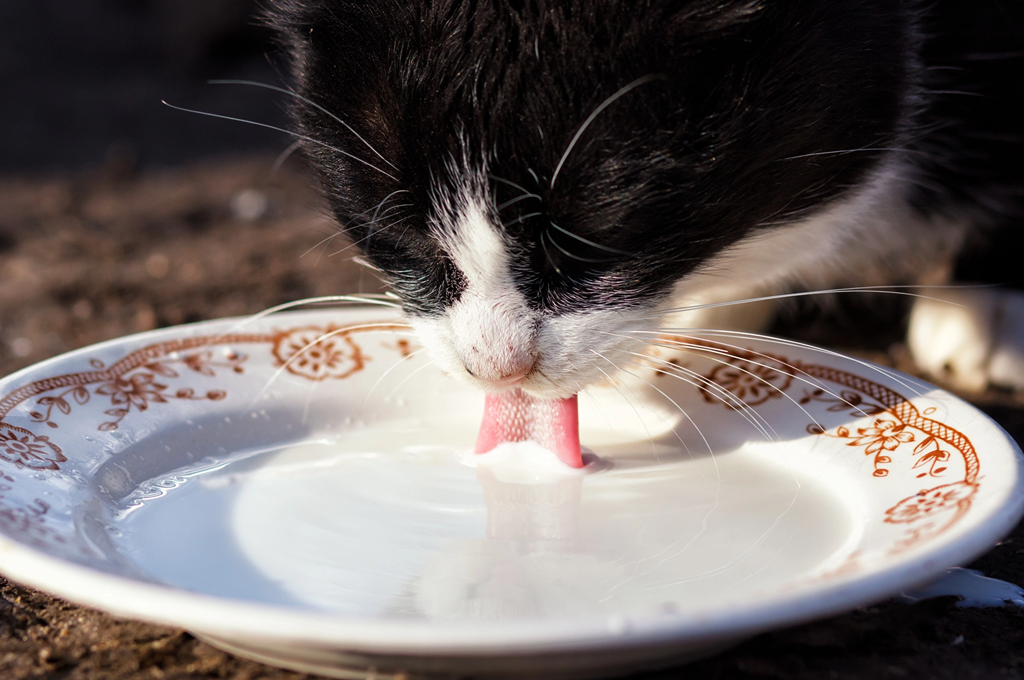
The Effects Of Cats Drinking Milk
Most adult cats are lactose intolerant, meaning they lack the enzyme lactase to break down lactose, the sugar present in milk. Consuming milk leads to gastrointestinal discomfort, resulting in symptoms like vomiting, diarrhea, and abdominal pain. It is safer to avoid giving cats milk altogether, even if some cats may have better lactose tolerance than others.
Optimal Alternatives For Cats' Hydration
- Water should be the primary source of hydration for cats.
- Some cats may prefer flavored beverages, but caution is necessary.
- Lactose-free milk for cats is an option to consider, gradually introducing it and monitoring the cat's reaction.
- Cat-friendly milk substitutes, such as diluted cat milk or specially formulated beverages, are safer and healthier choices due to being lactose-free and tailored to a cat's nutritional needs.
In summary, it is important to note that milk is not suitable for adult cats because they have difficulty digesting lactose. Although kittens can consume their mother's milk during their initial development, it becomes less appropriate as they mature. Instead, providing adequate water is crucial for cats to stay hydrated, as it is their primary source of hydration. Fortunately, there are alternative milk products available that are specially designed to meet cats' nutritional needs. By being aware of these facts, pet owners can effectively maintain the health and overall well-being of their beloved feline companions


0 Comments